 Bamboo Linen: A Sustainable Fabric for a Greener Future
Bamboo linen is revolutionizing the fashion and textile industry with its remarkable sustainability and versatile uses. As the fashion industry grapples with its environmental impact, bamboo fabric emerges as a promising solution, offering a blend of eco-friendliness and functionality. Let’s dive into the world of bamboo linen, exploring its benefits, uses, and some great affiliate offers to consider.
Why Bamboo?
- Sustainable Growth: Bamboo grows incredibly fast, up to 3 feet per day. That’s like watching your grass grow, but three times faster! It doesn’t need synthetic pesticides or fertilizers and regenerates naturally, making it an amazingly renewable resource. Unlike hardwood trees that take decades to mature, bamboo shoots can be harvested much more quickly. It’s like the hare in the race of re-growth!
- Self-Replanting: When you cut down a bamboo stalk, another one sprouts up to take its place. This continuous growth cycle helps maintain soil health and prevent erosion.
- Low Water Requirements: Bamboo thrives with significantly less water compared to other plants like cotton. In a world where water scarcity is a concern, this is a significant advantage.
- Carbon Sequestration: Bamboo absorbs more carbon dioxide from the atmosphere than most other plants and trees. Its rapid growth and decomposition contribute to carbon absorption, making it an ideal choice for curbing greenhouse gases.
- Eco-Friendly Production: Converting bamboo into fabric can be environmentally friendly when done mechanically, without harmful chemicals. It’s like magic, but greener!
- Soft and Breathable: Bamboo fabric is known for being super soft and breathable. It wicks moisture away from your skin, keeping you cool and comfortable, like wearing a breeze.
- Hypoallergenic: Bamboo fabric is naturally hypoallergenic, making it perfect for sensitive skin. No more itchiness or sneezes!
- Antibacterial Properties: Bamboo has natural antibacterial properties, which means fewer odors. Say goodbye to smelly socks and hello to fresh feet!
Growing Bamboo: Nature’s Speed Demon
Bamboo is one of the fastest-growing plants on Earth. It’s like the superhero of the plant world, growing up to 3 feet in just one day! Imagine if your homework could get done that fast. This rapid growth means bamboo can be harvested frequently without depleting the soil. Plus, bamboo doesn’t need replanting after harvesting; it just keeps on growing from the same root system. Talk about efficient!
Bamboo thrives without the need for synthetic fertilizers or pesticides. It’s like the low-maintenance friend who always shows up and makes everything better without any drama. This makes bamboo farming a much greener option compared to other crops like cotton, which often require tons of water and chemicals.
How Bamboo Becomes Fabric: The Magic Trick
Turning bamboo into fabric is like a magic trick. There are two main methods: mechanical and chemical. The mechanical method is like the good witch of the East, using natural enzymes to break down the bamboo into a mushy pulp, which is then spun into fibers. This method is eco-friendly but a bit more expensive.
The chemical method is like the sneaky trickster, using solvents to dissolve the bamboo and then regenerating it into fibers. This method is cheaper and faster but can be harmful to the environment if not done responsibly. Luckily, some companies are finding ways to make this process safer.
Uses of Bamboo Linen
- Clothing: Bamboo linen is popular in the fashion industry for making t-shirts, dresses, activewear, and socks. Its softness and breathability ensure comfort and sustainability.
- Bedding: Bamboo sheets, pillowcases, and duvet covers provide a luxurious sleep experience. They are breathable and moisture-wicking, ideal for a restful night.
- Towels: Bamboo towels are known for their high absorbency and softness, making them a perfect addition to any bathroom.
- Home Textiles: Bamboo linen is used in various home textiles such as curtains and tablecloths, adding an eco-friendly touch to home décor.
- Baby Products: Due to its hypoallergenic and soft properties, bamboo is ideal for baby clothing, blankets, and diapers, ensuring comfort for infants.
- Accessories: Bamboo fabric is versatile and used in scarves, hats, and even shoes, showcasing its wide range of uses.
What Can Bamboo Replace?
Cotton
Bamboo can replace cotton in many applications, including clothing, bedding, and towels. Why switch to bamboo? For starters, bamboo grows incredibly fast and requires significantly less water than cotton. Think of it as the marathon runner of the plant world, efficiently using resources while producing a high yield. Cotton, on the other hand, is like that thirsty friend who always needs a drink. It requires vast amounts of water and often needs pesticides to grow. By choosing bamboo, we cut down on water usage and reduce the environmental impact of harmful chemicals, making it a much more sustainable option.
Plastic
Imagine replacing your everyday plastic items with bamboo. Bamboo can be used to create various products traditionally made from plastic, such as toothbrushes, cutlery, and packaging. One of bamboo’s superpowers is its biodegradability. Unlike plastic, which can take hundreds of years to decompose and often ends up polluting our oceans and landscapes, bamboo breaks down naturally and quickly. This means less plastic waste in our environment and a huge step towards reducing plastic pollution. Switching to bamboo products helps protect marine life and reduces the overall carbon footprint associated with plastic production and disposal.
Wood
Bamboo is stronger and more flexible than many types of wood, making it an excellent material for furniture, flooring, and construction. It’s like the superhero of the plant world, offering strength and durability without the long growing period of traditional hardwoods. While trees can take decades to mature, bamboo reaches full height in just a few years. This rapid growth rate makes bamboo a highly renewable resource. By using bamboo instead of wood, we can help preserve forests and reduce deforestation, ensuring that our planet remains lush and green for future generations.
Paper
Bamboo pulp can be used to produce paper products, reducing the need for tree-based paper. The production of bamboo paper is often less environmentally damaging because bamboo grows faster and regenerates more efficiently than trees. Traditional paper production contributes to deforestation and habitat loss, whereas bamboo paper offers a sustainable alternative. By switching to bamboo paper, we can protect forests and decrease the environmental footprint of paper production, making it a greener choice for our notebooks, tissues, and other paper goods.
Synthetic Fabrics
Bamboo can replace synthetic fabrics like polyester and nylon, which are derived from petrochemicals and are not biodegradable. Synthetic fabrics contribute to microplastic pollution when washed, releasing tiny plastic fibers into waterways. Bamboo fabrics, on the other hand, are biodegradable and break down naturally. They also have a lower environmental impact during production, requiring fewer chemicals and less energy. By opting for bamboo fabrics, we can reduce our reliance on fossil fuels, minimize pollution, and promote a more sustainable textile industry.
Fun Fact: Bamboo is Stronger Than Oak and Steel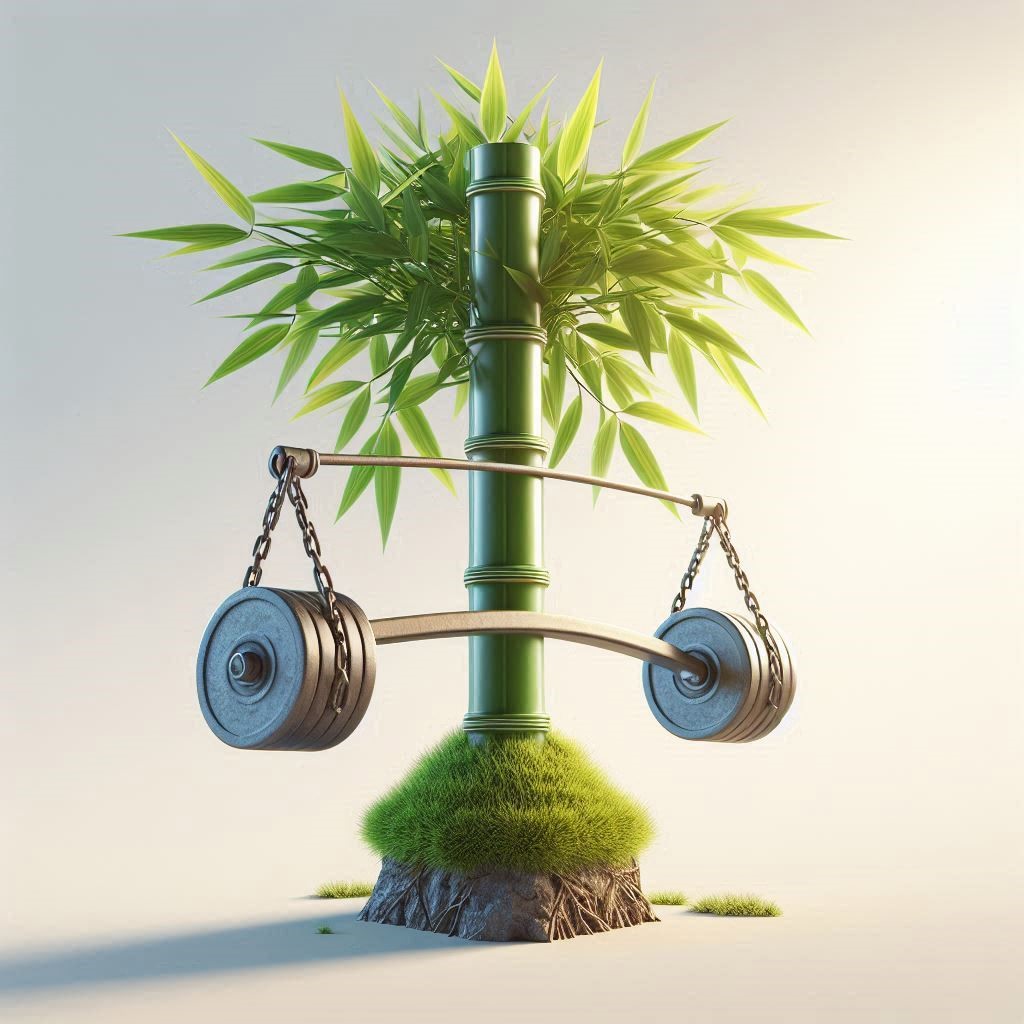
Bamboo is indeed a remarkable material. When it comes to tensile strength—the ability to withstand pulling forces without breaking—bamboo outperforms steel. While steel typically has a tensile strength of around 20,000 to 30,000 pounds per square inch, bamboo can withstand up to an impressive 52,000 pounds per square inch. Its tightly packed molecular structure contributes to this strength.
Bamboo is not only stronger than steel but also surpasses traditional hardwoods like oak in strength. While oak is known for its durability, with a tensile strength of around 14,000 pounds per square inch, bamboo outshines it by a significant margin. This incredible strength, combined with bamboo’s rapid growth and eco-friendly properties, makes it a standout material for various applications, from furniture to flooring, offering both strength and sustainability.
And the benefits of bamboo extend beyond its strength! Did you know that bamboo releases 30% more oxygen into the atmosphere compared to other plants? It’s also an excellent choice for sustainable living due to its rapid growth and versatility. From construction to clothing, bamboo plays a vital role in eco-friendly practices.
Bamboo Underwear: Strong and Fresh!
You might be thinking, “Bamboo underwear? Aren’t they a bit stiff?” But don’t worry, bamboo fabric is super soft and comfy. Plus, it’s breathable and wicks moisture away, keeping you cool and fresh. And here’s a bonus: bamboo underwear is naturally antibacterial. Say goodbye to awkward odors and hello to feeling fresh all day. With bamboo underwear, you get the best of both worlds – strength and freshness. It’s like wearing a cloud that’s tougher than oak. How cool is that?
🌿 Whispers of Bamboo 🌿
A Poem
In the quiet grove where bamboo stands, Their slender forms sway, a verdant dance. Leaves rustle secrets, whispered in the breeze, Tales of resilience, strength, and ancient ease.
From the earth they emerge, tender and green, Bamboo shoots reaching for the sun’s serene. Tiny warriors, their armor woven tight, Ready to battle storms, day and night.
As seasons pass, canes grow tall and strong, A symphony of clattering, bamboo’s song. They bend but never break, resilient and true, Their whispers echo tales of life anew.
Bamboo shelters creatures, both small and grand, Pandas nibble leaves, find solace in the land. Humans craft homes, bridges, and flutes, In bamboo’s embrace, we find resolute.
Ancient groves hold wisdom, secrets untold, Bamboo’s legacy etched in stories old. Listen closely, my friend, to the rustling leaves, For in their whispers, life’s magic weaves.
So let us honor bamboo, this quiet hero, A symbol of strength, grace, and nature’s flow. In its swaying dance, we find our place, Rooted in Earth’s embrace, forever in grace. 🌿